About

Theology & Peace

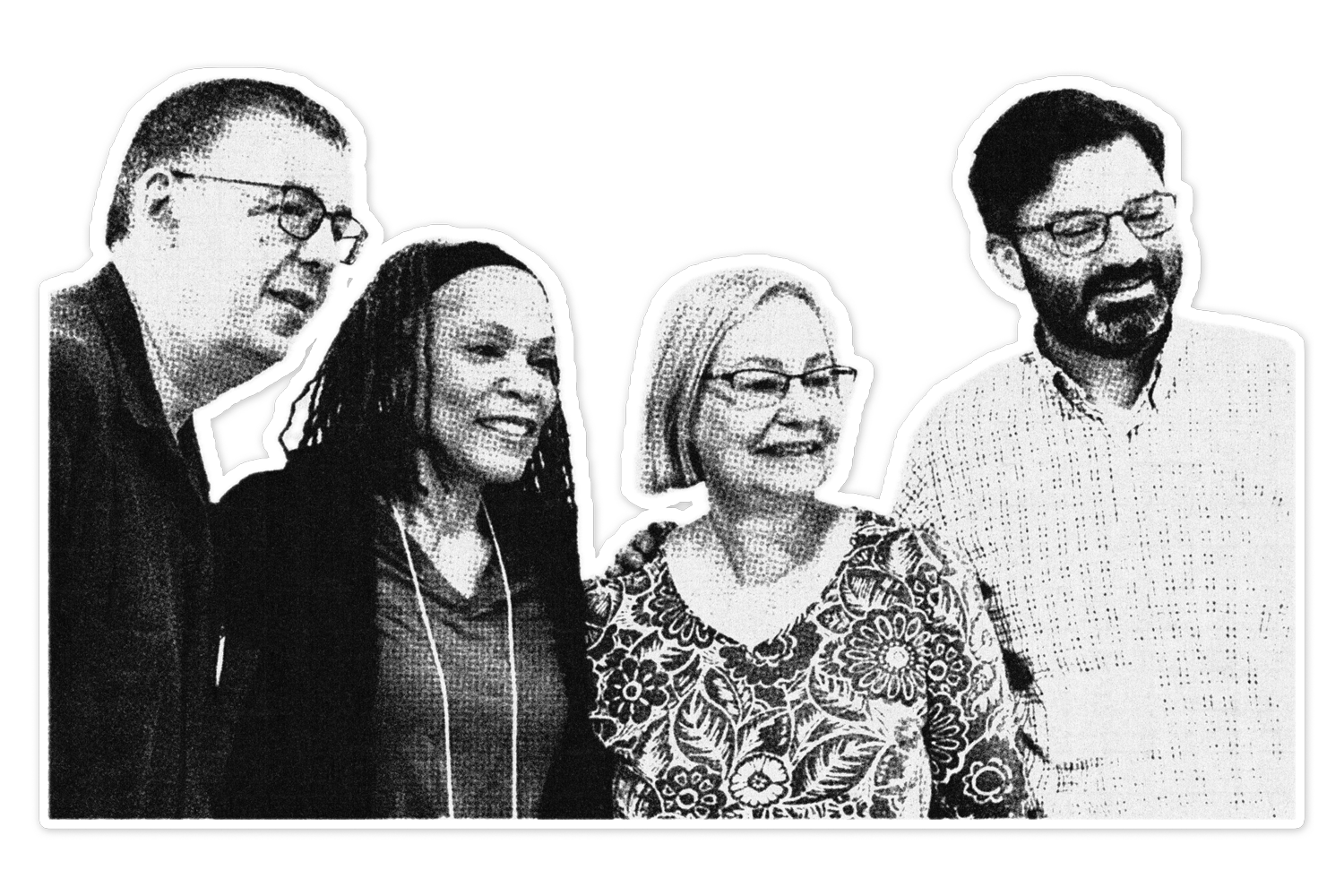
Black and white image of four diverse people, two women and two men, standing together and smiling, outlined in white, with a black background.

Theology & Peace began with a simple conviction: Christian faith should make us less violent, not just more articulate about violence.

In 2007, a group of theologians, pastors, and activists gathered around the work of scholar René Girard, whose insights into rivalry, scapegoating, and the mimetic nature of human desire offered a revelatory rereading of the Christian gospel. Girard’s work exposed the uncomfortable truth that violence is not an exception in human relationships, but an insidiously persistent pattern.

We believe a more loving pattern is possible — a pattern of belonging, courage, and deepening peace that makes hope contagious.

But that kind of
peace takes practice.
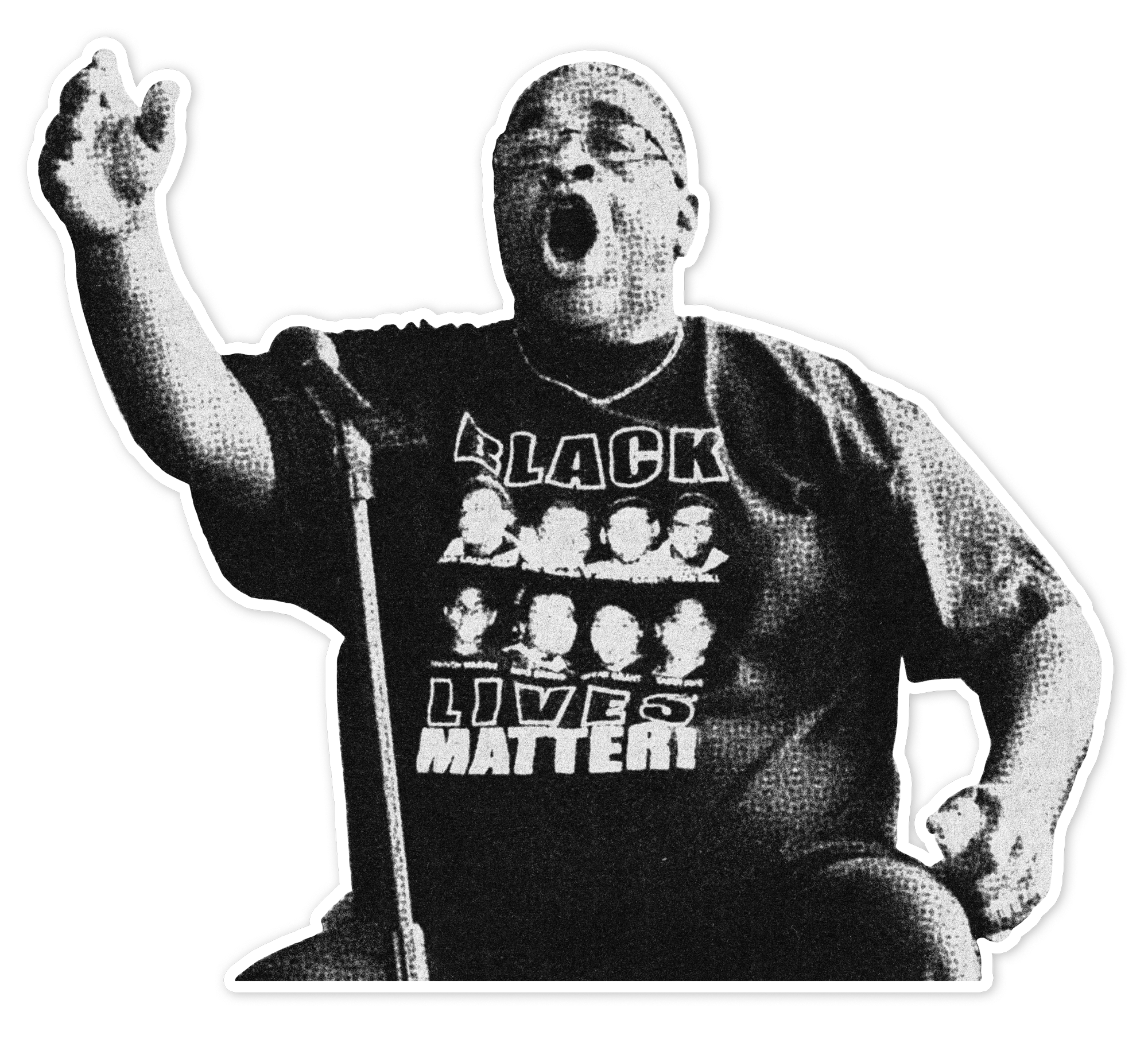
A person with a shaved head, African American, wearing a T-shirt with a graphic of four faces, holding a sign with the words 'BLACK LIVES MATTER' and an image of four faces. They are raising their fist in a gesture of protest.

So Theology & Peace launched conferences and conversations dedicated to discovering how nonviolence can be practiced, not just preached, in real human contexts like schools, courtrooms, relationships, prisons and politics. Over the years, our gatherings increasingly centered on disarming violence with life-changing love wherever scapegoating is causing harm: racial violence, mass incarceration, weaponized shame, unjust economics, LGBTQ+ exclusion, and the encroaching nationalism corrupting the Church itself.

Gradually, the rigors of this work revealed a further question: how can Girard’s mimetic theory help us disarm violence by actively creating the peace we want to see instead? Again and again, we learned the same lesson: violence isn’t undone by resistance alone. It’s undone when people experience that something altogether better is possible.

Today, Theology & Peace helps aspiring peacemakers connect mimetic theory with everyday action so they can transform conflict into community and make hope contagious in a wounded world.

Gathering a Beloved Community of clergy, laypeople, activists, and scholars, we’re creating a multifaith culture that grows us toward a more loving world.

Black and white halftone portrait of a blonde woman with straight hair, wearing a dark top, set against a dark background with a white outline.

Peace isn’t an otherworldly ideal to affirm. It’s a concrete reality we can practice daily. If you’ve ever longed for a spiritual community that offers more than toothless good intentions or rigid, oppressive “shoulds,” you’re in the right place.

Come practice peace with us and help create a future where all creation thrives — together.

  • 2001–2006 — A New Theological Urgency

    After 9/11, growing political and cultural rivalries in North America reveal the need for deeper theological reflection on violence, scapegoating, and the Gospel’s contribution to peacebuilding.

  • 2007-2010 — Theology, Liturgy, and Activism

    A group of pastors, theologians and scholars gathers for “a first theological conversation” at the Mennonite Central Committee in Akron, Pennsylvania, under the name Theologia Pacis.

  • 2011-2012 — Baltimore and Sandtown

    Theology & Peace hosts conferences in Baltimore and connects with activists and faith communities in Sandtown, especially Newborn Community (now Intersection of Change.)

  • 2013-2015 — A Decisive Turn Toward Racism

    Inspired by the Moral Mondays protests, Theology & Peace commits to directly addressing the systemic and sacrificial nature of racism in the United States.

  • 2016-2019 — Embracing Beloved Community

    Preston Shipp invites Theology & Peace into a vibrant Nashville activist community addressing racial justice, mass incarceration, sex trafficking, and the cradle-to-prison pipeline. T&P recognizes an even deeper call toward embodied peacemaking and Beloved Community.

  • 2020 — COVID Changes How We Gather

    Theology & Peace responds creatively to global lockdowns and pivots to online events that hold the community together, maintaining our legacy of education and activism despite unique challenges.

  • 2026 — Reflecting on Two Decades of Theological Activism

    Theology & Peace looks back on 19 years of gatherings and commits to a fresh vision of Making Hope Contagious by disarming violence with life-changing love.

  • Today — Making Hope Contagious

    Theology & Peace continues to gather, educate, and practice with a Beloved Community around the world — helping aspiring peacemakers connect René Girard’s mimetic theory with everyday action so they can transform conflict into community.