

Action
as a practice of peacemaking
Peacemaking cannot remain purely internal.
Violence becomes embedded not only in individual behavior, but in social systems, public narratives, institutions, economies, and collective habits. Mimetic conflict spreads through groups, rewarding fear, punishment, exclusion, and domination until they begin to feel normal.

But mimetic influence does not only spread fear and outrage. Courage spreads. Solidarity spreads. Compassion spreads.
Social action disrupts the illusion that violence is inevitable. Mimetic systems depend on collective participation and resignation. When people organize for mutual aid, restorative justice, nonviolent resistance, reconciliation, protection of the vulnerable, or structural repair, they demonstrate that other ways of relating are possible.
It helps transform peace from a private belief into a shared reality. Peacemaking is not only about avoiding harm in our personal relationships. It also involves participating in communities, institutions, and movements that reduce harm and increase the conditions for human dignity, belonging, and repair.
It resists the temptation to scapegoat in the name of justice. Social action shaped by rivalry can easily reproduce the same exclusion and dehumanization it claims to oppose. Peacemaking requires confronting harm truthfully without reducing people to enemies or treating punishment as redemption.
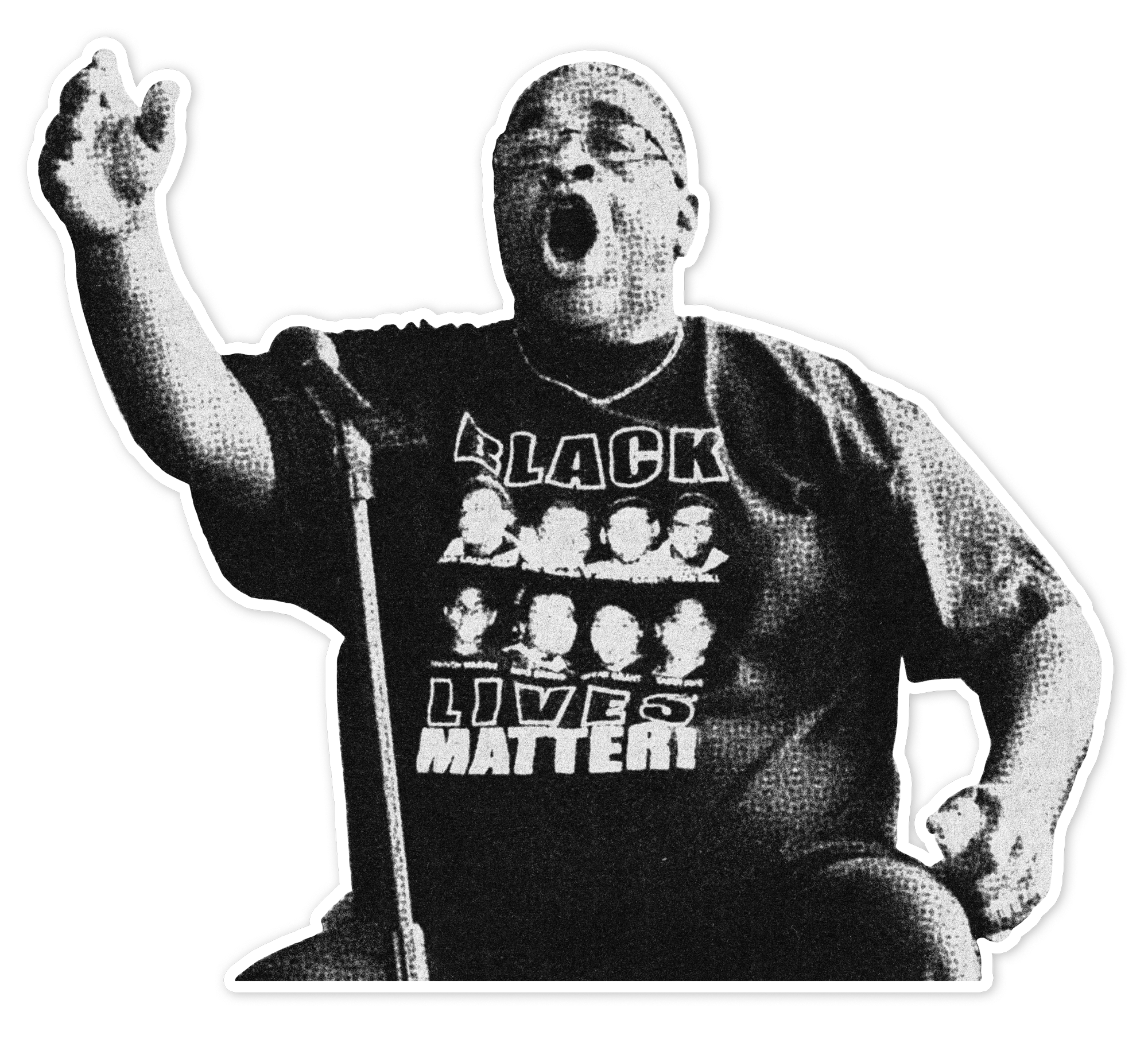
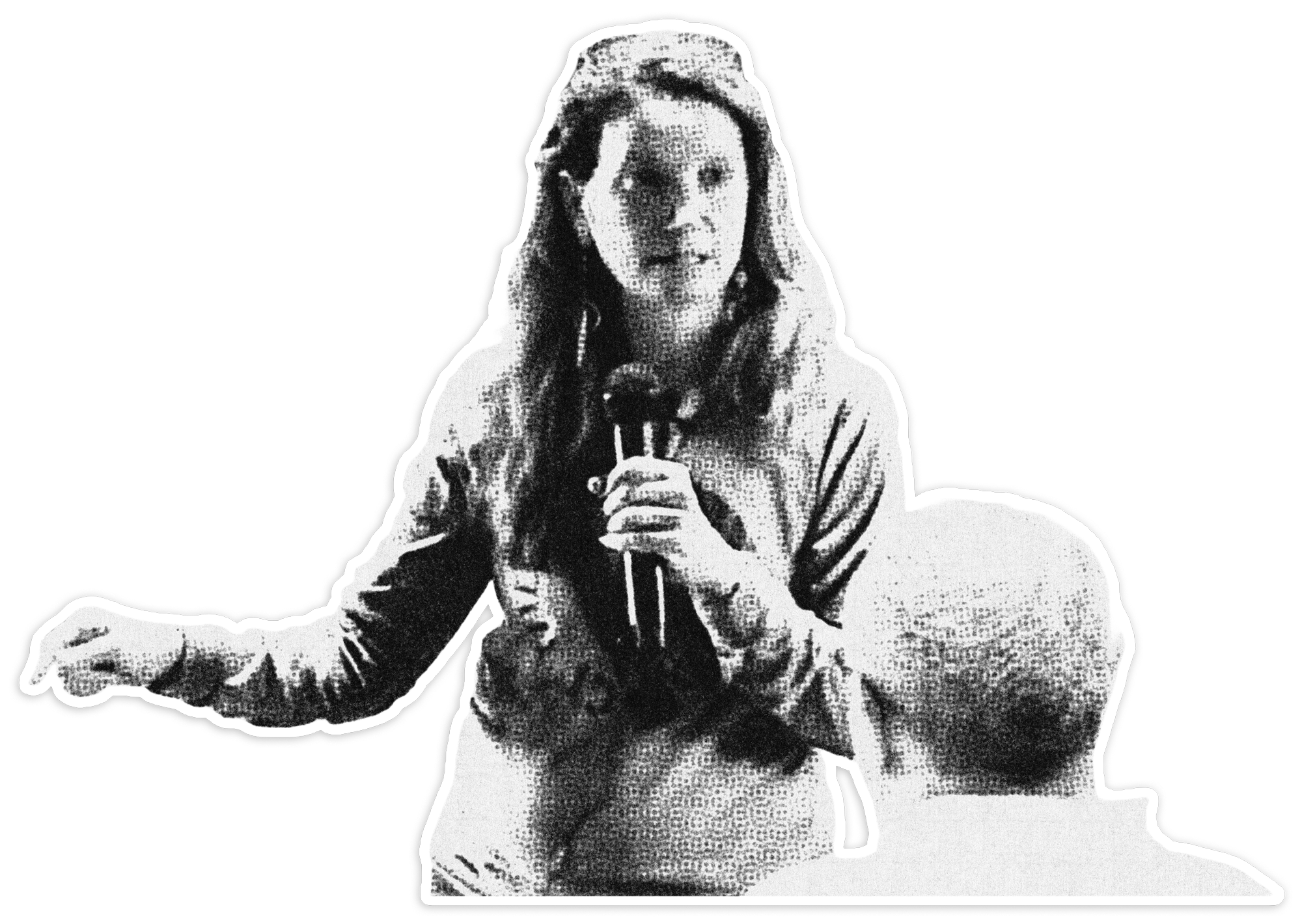
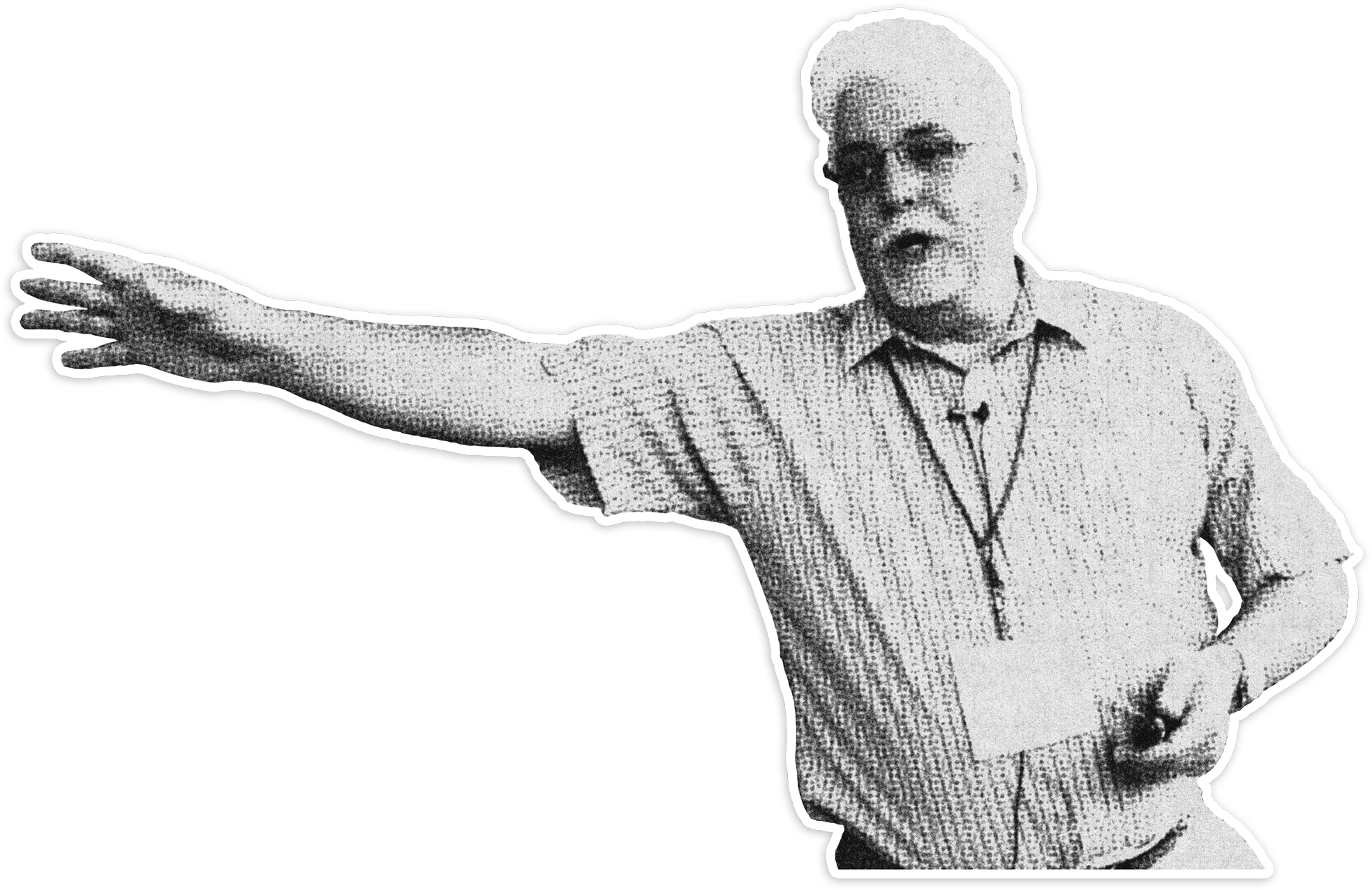
Justice-oriented action looks different for everyone, as Rev. Dr. Mark Brocker explained for us in his Quarterly Speaker Series event on Dietrich Bonhoeffer and the political responsibility of the Christian church.
The legacy of slavery in the United States is ongoing, systemic — and mimetic. Though René Girard makes only the occasional scattered remark about race or slavery in relation to scapegoating, he frequently uses the imagery of lynching. Rev. Dr. Julia Robinson Moore presented us with a chilling look at the practices and rhetoric of real lynchings in American history, primarily of Black men, through the lens of Girard’s concepts of rivalry and scapegoating.
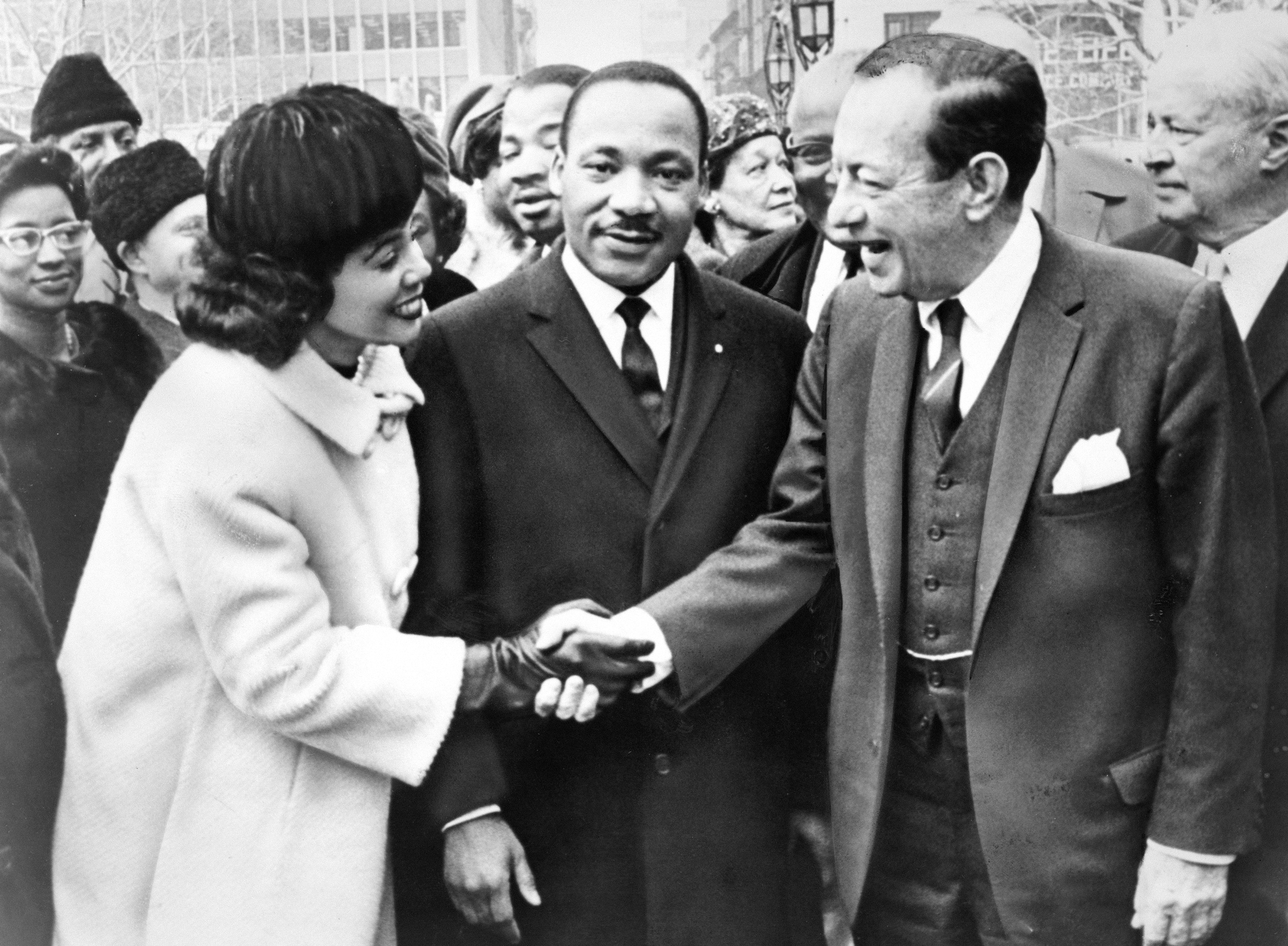
“The greatness of a community is most accurately measured by the compassionate actions of its members.”
Coretta Scott King
One Parish, One Prisoner
What if every person released from prison had a social & spiritual support network excited to welcome them home? Chris Hoke of Underground Ministries recognized that in Washington state, there were “roughly the same amount of churches as there are folks in prison. And when we did that math, we realized — there’s a re-entry community in every town.”
Thistle Farms
Founded in 1997 by Becca Stevens, Thistle Farms is a justice enterprise dedicated to helping women survivors recover and heal from prostitution, trafficking, and addiction. They do this by providing a safe place to live, a meaningful job, and a lifelong sisterhood of support. But they don't stop there. Through their social enterprises, advocacy, and global network, they challenge systems that commoditize, criminalize, and exploit women.
Public acts of repair and protection give people new models to imitate and new possibilities to participate in together. Social action makes hope contagious.

“For our struggle is not against flesh and blood, but … against the spiritual forces of evil in the heavenly realms.”
Ephesians 6:12