

Grieving
as a practice of peacemaking
If Girard helps us see that violence runs on misrecognition — on falsely locating a problem “out there” and resolving our tension through scapegoating — then grieving and lament are not optional side practices. They are a powerful protection against projecting our violence.
Sacrifice is communal pain discharged onto a victim. Lament is communal pain metabolized in the loving presence of God.
Grieving keeps us from outsourcing our pain onto a victim. When we're overwhelmed, our instinct is often to turn our pain into blame. When we learn to stay present to grief instead of immediately searching for someone to accuse, we interrupt the automatic reaction that so often turns suffering into violence.
Lament tells the truth that scapegoating hides. Scapegoating restores order through a simplified story about who is at fault. Lament refuses easy answers, keeping the wound visible and resisting the false peace that comes from blame.
Grief is the healthy response to recognizing our violence. The Gospel exposes the innocence of our victims. Once we see what scapegoating has concealed, we must not simply move on — we are invited to feel the pain of our complicity so that we learn not to repeat it.
Girard brilliantly explains why human beings need scapegoats. He spends much less time explaining how communities can process loss, trauma, fear, and conflict without scapegoats. Collective lament is one of the Bible’s answers to that question.
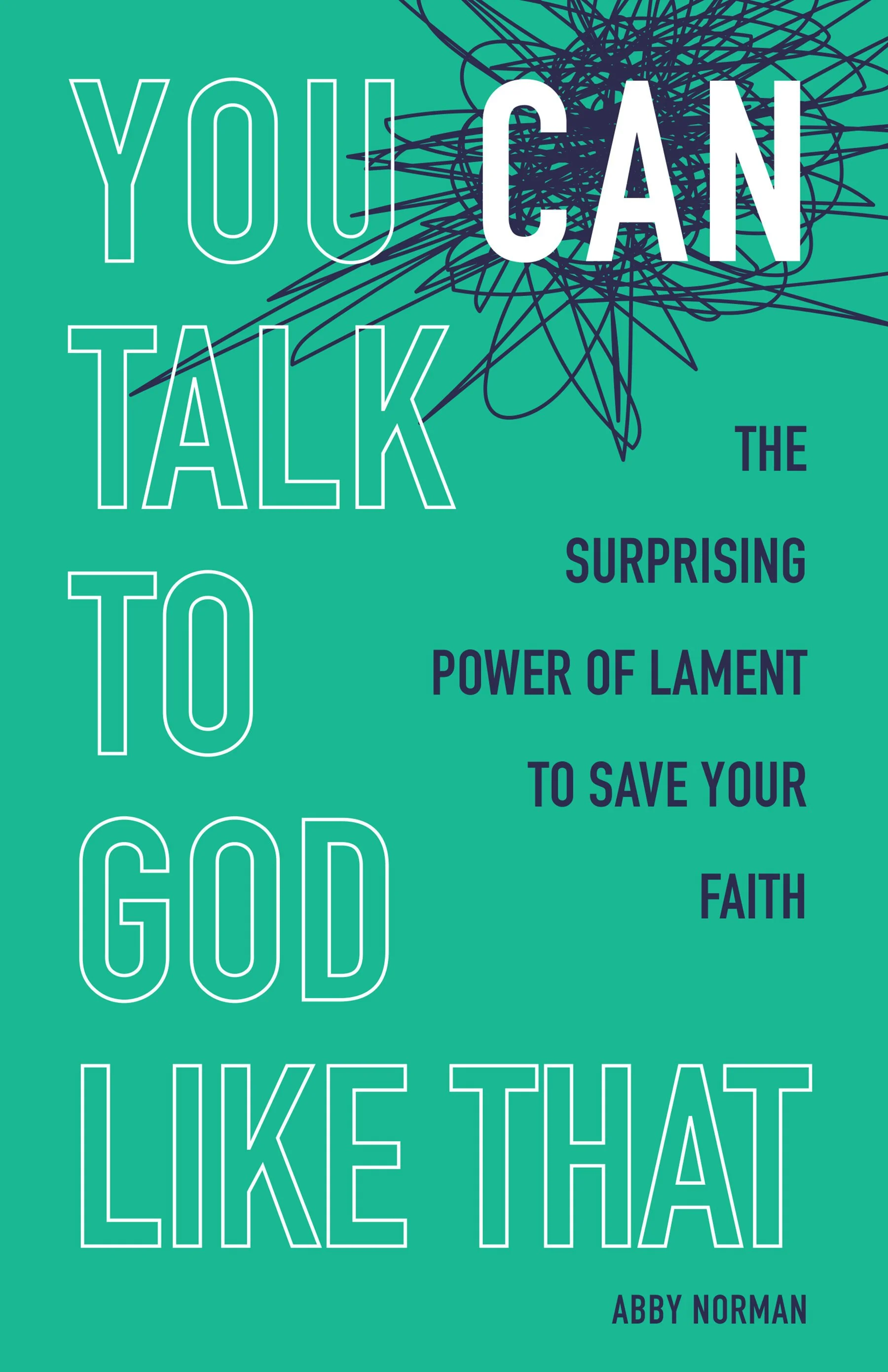
“Praise is the only path to God — at least this is what many of us have been taught. But the notion that we have to be positive all the time, putting on a happy face through anger, frustration, and pain, hinders our ability not only to heal ourselves and society, but to have an authentic relationship with the Divine.
“Pastor Abby Norman is here to tell us that we can talk to God like that. In her fresh, tell-it-like-it-is voice, she unpacks the power of lament, providing us with the tools and the grace-filled permission to heal the problems we have been ignoring for too long. She shows us how to express our laments to God and to each other when things are definitely not okay. And through this process we will discover a richer connection with God — who has wanted nothing more than our whole selves from the start.”
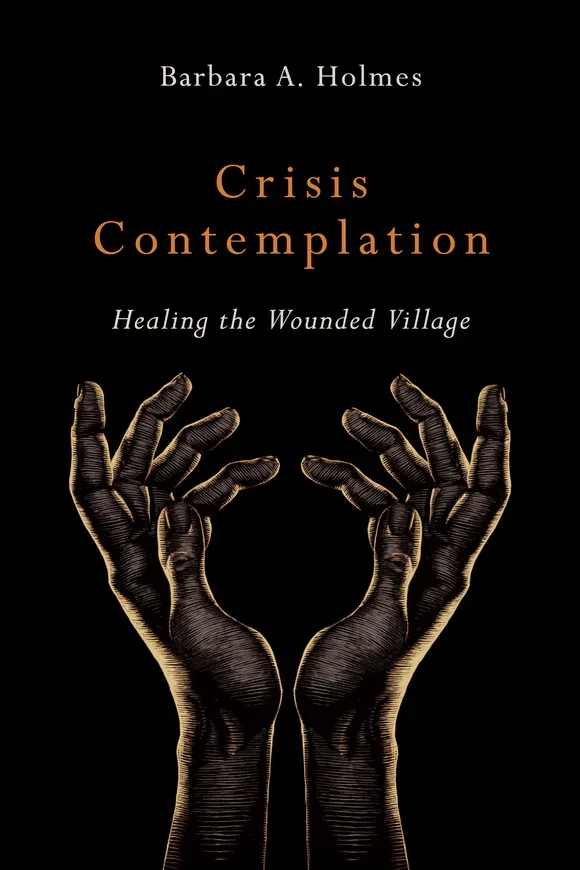
Crisis Contemplation by Barbara A. Homes names a kind of contemplation that does not begin with solitude or spiritual technique, but in the rupture of trauma — when oppression, violence, disaster, or collective grief shatters the ordinary world and opens unexpected inner depth.
For Holmes, “Healing the Wounded Village” is a communal, embodied, often BIPOC-led path of healing grounded in shared memory, lament, creativity, and practices that make another future imaginable.
“I will also give you a new heart, and I will put a new spirit within you; and I will take away the stony heart out of your flesh, and I will give you a heart of flesh.”
Ezekiel 36:26