

2019 Conference
June 17-20, 2019 | American Baptist College | Nashville, TN
Beloved Community as the Way from Scapegoating to Ubuntu
Theology & Peace’s 2019 conference began on Monday, June 17, with an extended Introduction to Mimetic Theory with James Warren. After dinner, participants gathered for the official conference welcome, with remarks from Preston Shipp, President of Theology & Peace, and Dr. Forrest Harris, President of American Baptist College. The opening evening concluded with a magic show by James Warren and informal social time.
James Warren is author of Compassion Or Apocalypse?: A Comprehensible Guide to the Thought of Rene Girard, and Jesus and the Magician. He provided us with an audio-visual presentation utilizing pop culture illustrations to introduce Mimetic Theory, the anthropological understanding at the heart of Theology & Peace.

Tuesday, June 18, opened with contemplative practice and songs before the first major plenary session with the Rev. Naomi Tutu. Her presentation was followed by panel responses from Julia Robinson Moore and Rahim Buford, with time for questions and conversation. After lunch, participants returned for the second plenary session with the Very Rev. Michael Battle, followed by responses from James Alison and Micky ScottBey Jones and a question-and-answer period. The day also included Theology & Peace’s Annual Meeting, dinner, a night out in downtown Nashville, and evening compline.
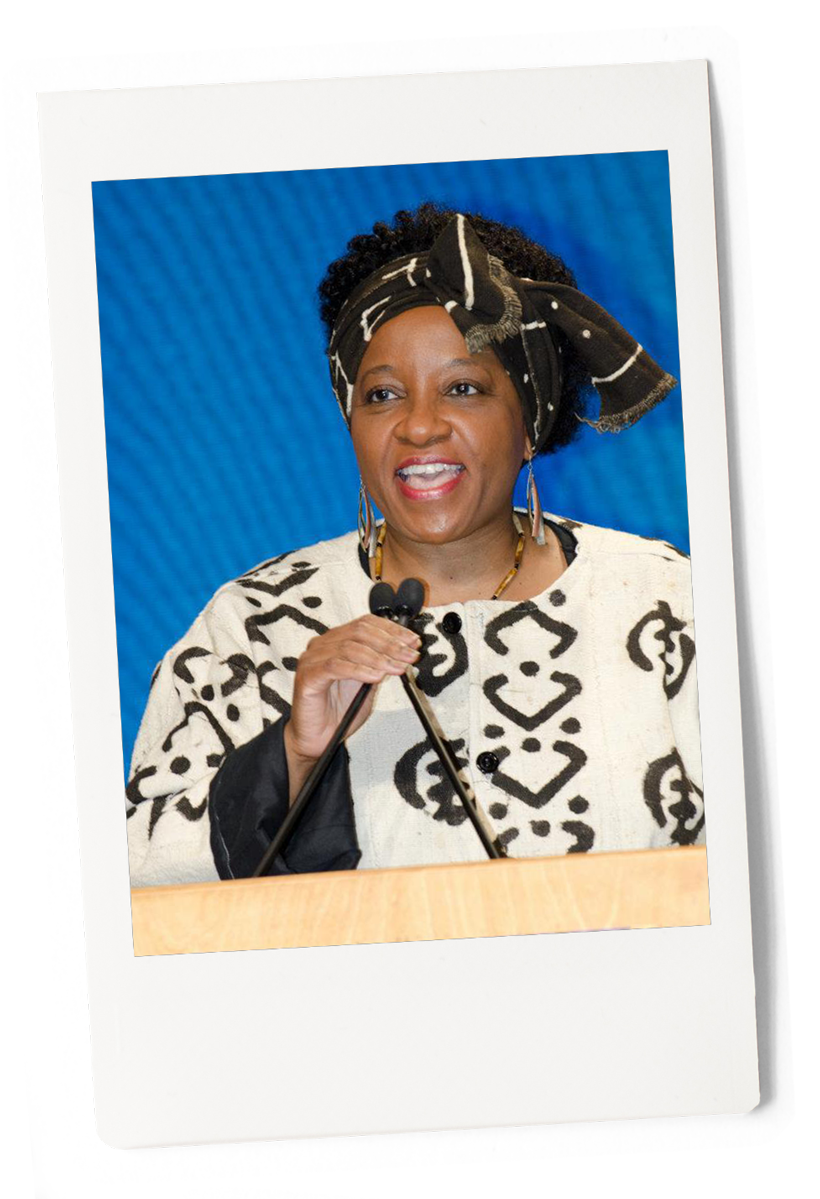
The Rev. Nontombi Naomi Tutu
The daughter of Archbishop Desmond Tutu, Rev. Nontombi Naomi Tutu blends her passion for human dignity with humor and personal stories. Her professional experience ranges from being a development consultant in West Africa, to being program coordinator for programs on Race and Gender and Gender-based Violence in Education at the African Gender Institute at the University of Cape Town. She served as Program Coordinator for the historic Race Relations Institute at Fisk University, and was a part of the Institute’s delegation to the World Conference Against Racism in Durban. She the recipient of four honorary doctorates from universities and colleges in the US and Nigeria. Rev. Tutu is an ordained clergy in the Episcopal Diocese of Tennessee. She serves as a curate at Christ Church Cathedral in Nashville and has recently been hired by the Cathedral of All Souls in Biltmore Village to work on racial and economic reconciliation issues across Western North Carolina.
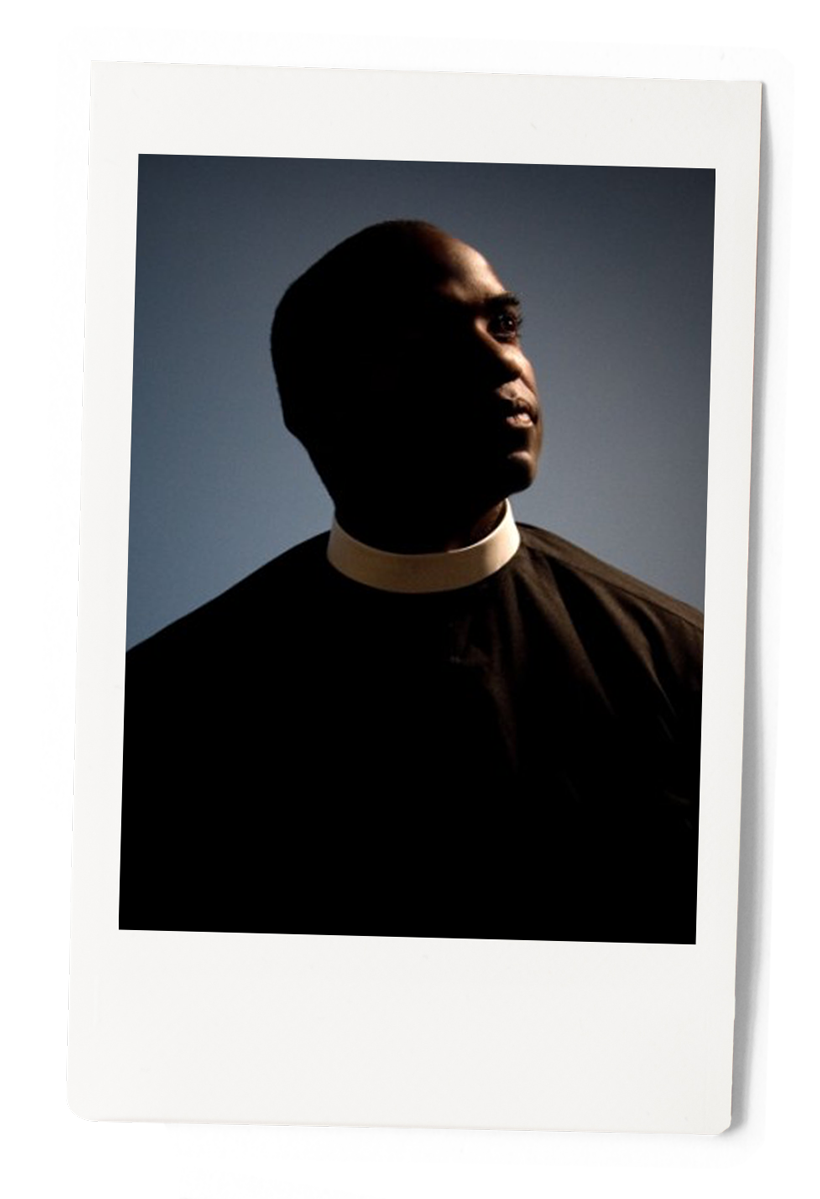
The Very Rev. Michael Battle
Currently appointed as Herbert Thompson Professor of Church and Society and Director of the Desmond Tutu Center at General Theological Seminary in New York, the Very Rev. Michael Battle, Ph.D. has an undergraduate degree from Duke University, received his master’s of Divinity from Princeton Theological Seminary, a master’s of Sacred Theology from Yale University and a PhD in theology and ethics, also from Duke University. He was ordained a priest by Archbishop Desmond Tutu in 1993. In 2010, Battle was given one of the highest Anglican Church distinctions as “Six Preacher,” by the Archbishop of Canterbury, Rowan Williams.
Battle has published nine books, including Heaven on Earth: God’s Call to Community in the Book of Revelation, Reconciliation: the Ubuntu Theology of Desmond Tutu and the book for the Episcopal Church’s General Convention, Ubuntu: I in You and You in Me.
In his PeaceBattle Institute he works on subjects of diversity, spirituality, prayer, race and reconciliation. He has served as chaplain to Archbishop Tutu, Congressman John Lewis, the House of Bishops and, in 2008, was chaplain to the Lambeth Conference of Anglican Bishops. He is a featured keynote speaker and has led numerous clergy and lay retreats, including the bishops’ retreat of the Province of the West Indies. In addition, Battle has served as vice president to Arun Gandhi’s Institute for Nonviolence.

“French anthropologist René Girard provides renewed self-esteem to Christians by showing how Jesus explodes the sacrificial, violent nature of human community.”
Michael Battle, Heaven on Earth: God’s Call to Community in the Book of Revelation
On Wednesday, June 19, the conference continued with morning contemplative practice and songs before two sessions of Engaged Mimetic Theory with the Rev. Dr. Thee Smith. After lunch, participants took part in a workshop on the practices of Beloved Community with the Rev. Janet Wolf and people with lived experience of incarceration. The afternoon continued with Dr. Sandy Goodhart’s two-part session, “Midrash & Scripture: Sacrifice & Beloved Community.” The day concluded with dinner and a Juneteenth celebration featuring a reception and musical performances.
Rev. Dr. Theophus Smith
Moving from theory to explore effective means to shift from mimetic rivalry to loving mimesis, The Rev. Adam Ericksen, pastor of Clackamas United Church of Christ, Milwaukie, OR, reminded us that the world needs to hear our voices and we can amplify our voices by using social media to spread the “scandalous” message that God’s love overcomes violence. Several of Pastor Adam’s congregants provided powerful testimony about discovering Pastor Adam online and undergoing a personal transformation from hearing and embracing the message of God’s love.
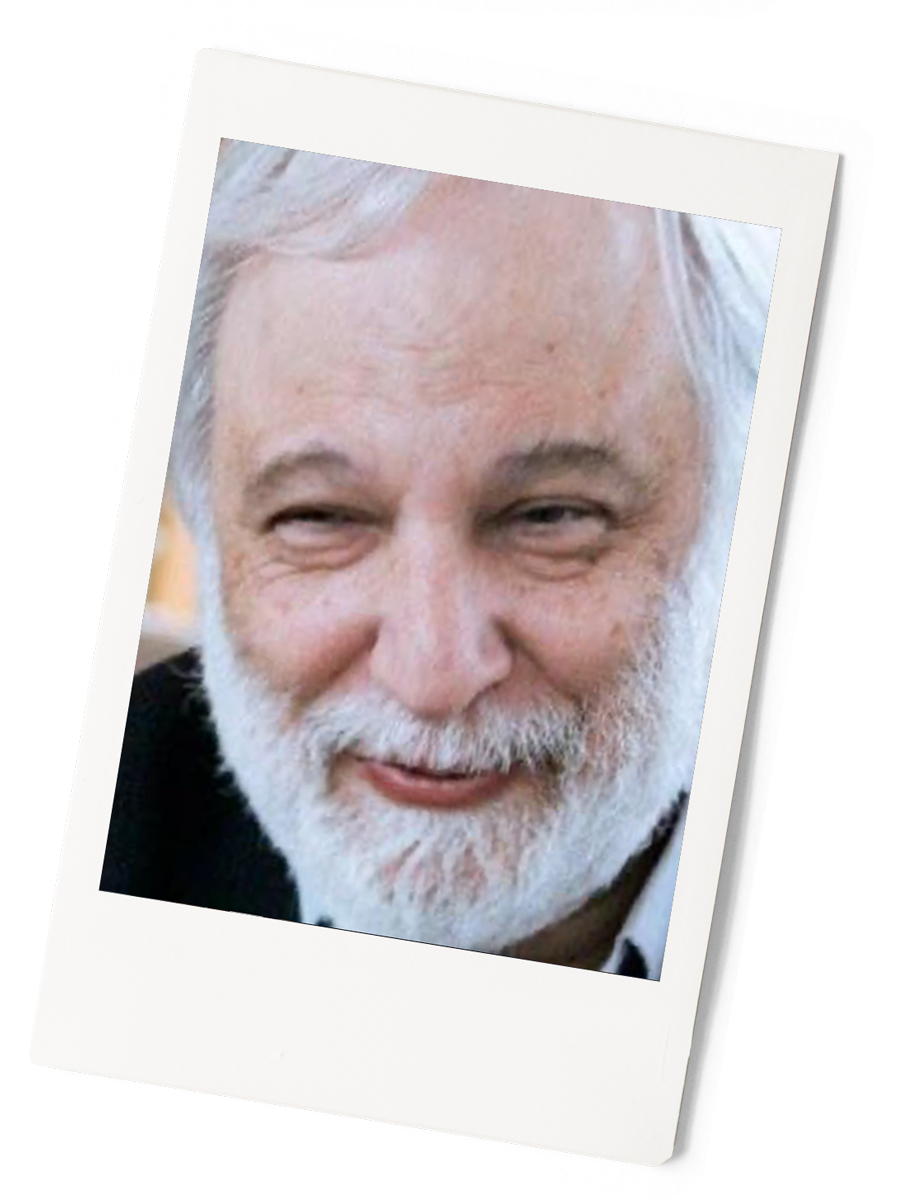
Dr. Sandor Goodhart
Sandor ‘Sandy’ Goodhart is a Professor of English and Jewish Studies at Purdue University’s Department of English. He served as the Director of the Jewish Studies Program (1997-2002), of the Philosophy and Literature Program (2005), and of the Classical Studies Program (2007-2011). He is the author of five books on literature, philosophy, and Jewish Studies including Möbian Nights: Reading Literature and Darkness (Bloomsbury Academic, 2017), The Prophetic Law: Essays in Judaism, Girardianism, Literary Studies, and the Ethical (East Lansing, MI: Michigan State University Press, 2014), Sacrifice, Scripture, and Substitution(Notre Dame University Press, 2011; co-edited with Ann Astell), For René Girard: Essays in Friendship and Truth(East Lansing MI: Michigan State University Press, 2009), Reading Stephen Sondheim(Garland: New York, 2000), and Sacrificing Commentary: Reading the End of Literature(Johns Hopkins University Press, 1996).
He is a founding board member of the North American Levinas Society (founded with his students at Purdue), the former President of the Colloquium on Violence and Religion(2004-2007), and the author of over ninety essays (including essays on Bernard Malamud, Philip Roth, and Saul Bellow.)
This video features Rev. Wolf on a panel with Michelle Alexander, Bryan Stevenson, Ndume Olatushani (who was sentenced to death and served 30 years for something he did not do), and our Theology & Peace president, Preston Shipp.
The Rev. Janet Wolf is Director ofChildren’s Defense Fund (CDF) Haley Farm and Nonviolent Organizing. CDF is a national organization led by Marian Wright Edelman that works toward justice for children impacted by the cradle-to-prison pipeline. Janet coordinates SALT: Schools for Alternative Learning and Transformation, a participatory educational community inside Riverbend Maximum Security Institution in Nashville, Tennessee. As Director of Public Policy and Community Outreach with Religious Leaders for a More Just and Compassionate Drug Policy, she worked with a national interfaith coalition on harm reduction, alternatives to incarceration and restorative justice.
She is author of Practicing Resurrection: The Gospel of Mark and Radical Discipleship, and “To See and To Be Seen,” a chapter in I Was in Prison: United Methodist Perspectives on Prison Ministry. For 12 years she also served as a community organizer around poverty rights. She previously served as faculty chair and professor at American Baptist College in Nashville, a historically Black college and home to many of the national civil rights leaders. For the United Methodist Church, the Rev. Wolf served as pastor of rural and urban congregations for 12 years.
The conference closed on Thursday, June 20 with a speaker roundtable in the Fine Arts Room. Participants then gathered for closing remarks, bringing the 2019 conference to a close after several days of teaching, dialogue, practice, worship, and community-building.
Across the week, the gathering invited participants to explore mimetic theory not only as an intellectual framework, but as a practice of beloved community. Through plenary teaching, panel conversation, contemplative practice, scriptural reflection, music, shared meals, and informal fellowship, the 2019 conference embodied Theology & Peace’s ongoing commitment to connecting Girardian insight with the lived work of peacemaking.