The Joy of Being Wrong
James Alison’s The Joy of Being Wrong: Original Sin Through Easter Eyes is a landmark attempt to bring René Girard’s mimetic theory into sustained conversation with Christian theology. Alison begins, provocatively, not with the Fall but with the Resurrection. We can only recognize what is wrong with humanity, he argues, because in the risen Jesus we first encounter a forgiveness that reveals another way of being human.
Seen through these “Easter eyes,” original sin is not so much an inherited stain for which individuals must be blamed — it’s our deep, congenital entanglement in a human world organized around rivalry, violence, scapegoating, and death. The Resurrection exposes that world and raises its victim. Only in light of the gospel’s revelation of the victim can we then discover just how profoundly we have misunderstood both God and ourselves.
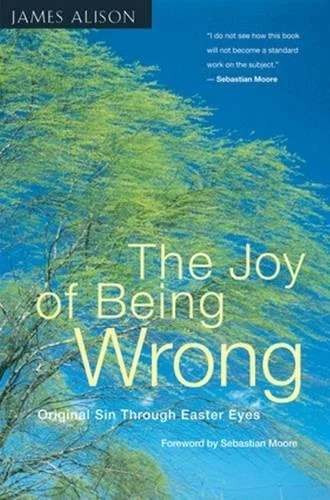
That insight gives Alison’s wonderful title its meaning. The “joy” of being wrong isn’t the pleasure of losing an argument; it is the freedom of discovering that we can admit our participation in violent patterns because God is not looming over us with a judge’s gavel, waiting to condemn us for them. Forgiveness comes first and then makes honest recognition possible.
In doing so, Alison translates the doctrine of original sin away from accusation and toward transformation: we inherit ways of desiring, belonging, and making peace that create victims of violence, but in Christ we are invited into a community bound not by the expulsion of others but by a common identity as beloved “forgiven-forgivers.”
The Joy of Being Wrong is demanding — it is Alison’s major work of constructive theology, and not his easiest introduction — but for readers interested in what mimetic theory can contribute to a theology of divine nonviolence, it is exceptionally rewarding. It offers the hope that Christianity’s deepest truth about sin is not that humanity deserves punishment, but that, because we are already being forgiven, we can risk looking clearly at what violence has made of us so that we can begin learning another way.